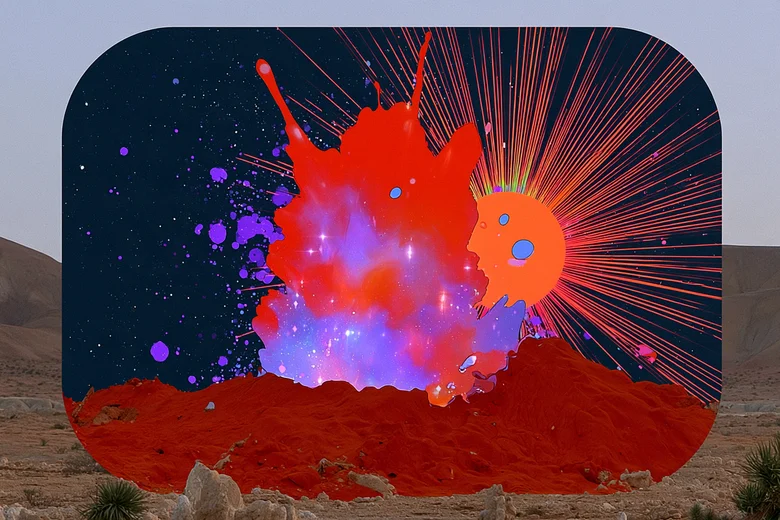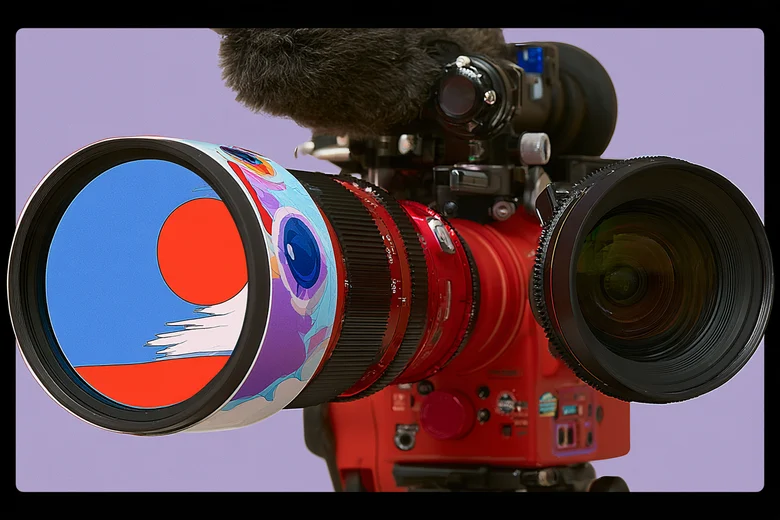

OpenAI released ChatGPT Images 2.5 with official updates targeting faster generation speeds and tighter multi-turn editing consistency.
While official release notes outline technical milestones, practical design workflows depend on real-world visual behavior. We ran identical prompts across version 2.0 and version 2.5 to evaluate how the underlying rendering engine handles composition, micro-textures, and material surfaces.
Greater visual consistency across repeated generations
The most immediate operational change between 2.0 and 2.5 is prompt variance.
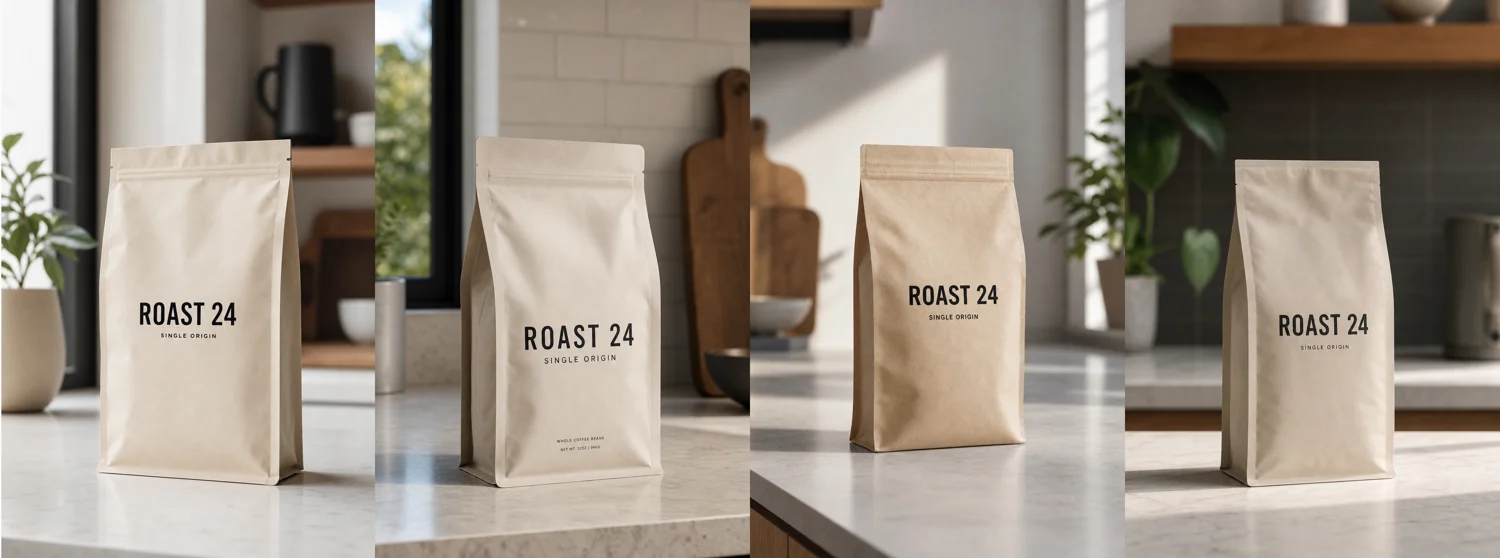
In version 2.0, running the same prompt multiple times produced noticeably different camera angles, background colors, and prop arrangements. When prompt strings were open-ended, the model filled in details with high variance.
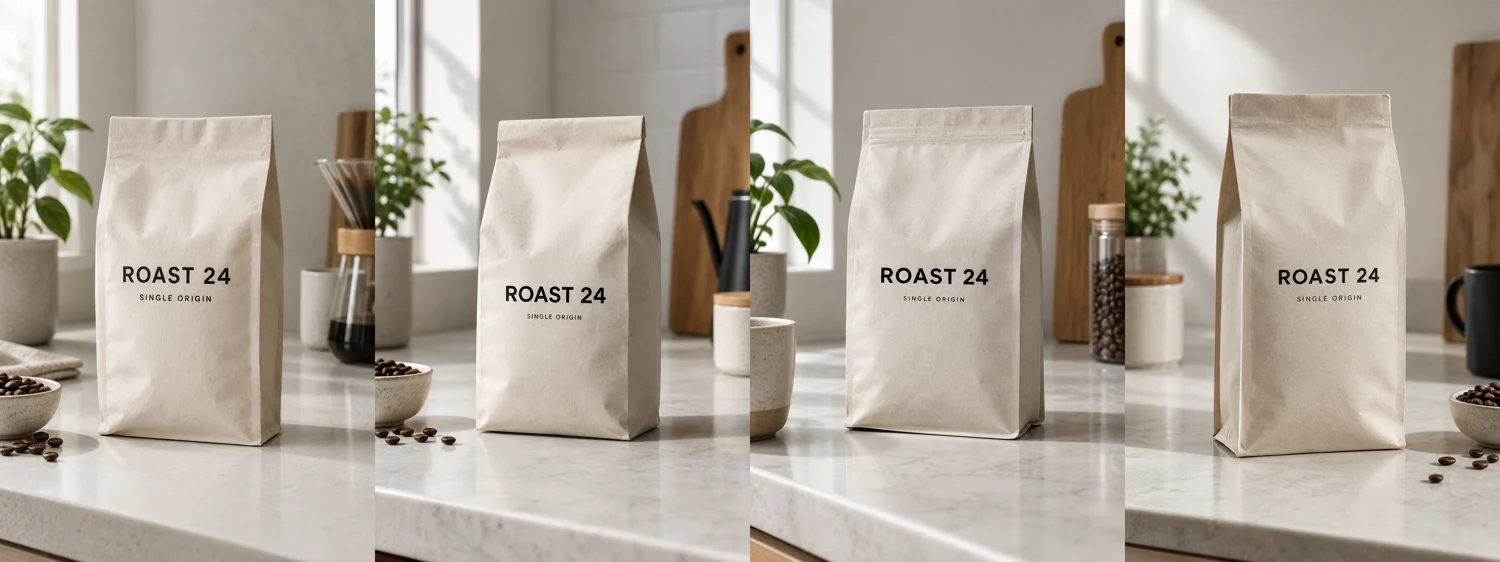
In version 2.5, repeated runs with the same prompt converge closely on a unified composition and color palette. Camera perspectives and lighting directions remain stable across iterations. For workflows requiring consistent visual series or clean brand assets, this tighter predictability provides a clear practical benefit.


Richer surface detail versus over-embellished rendering
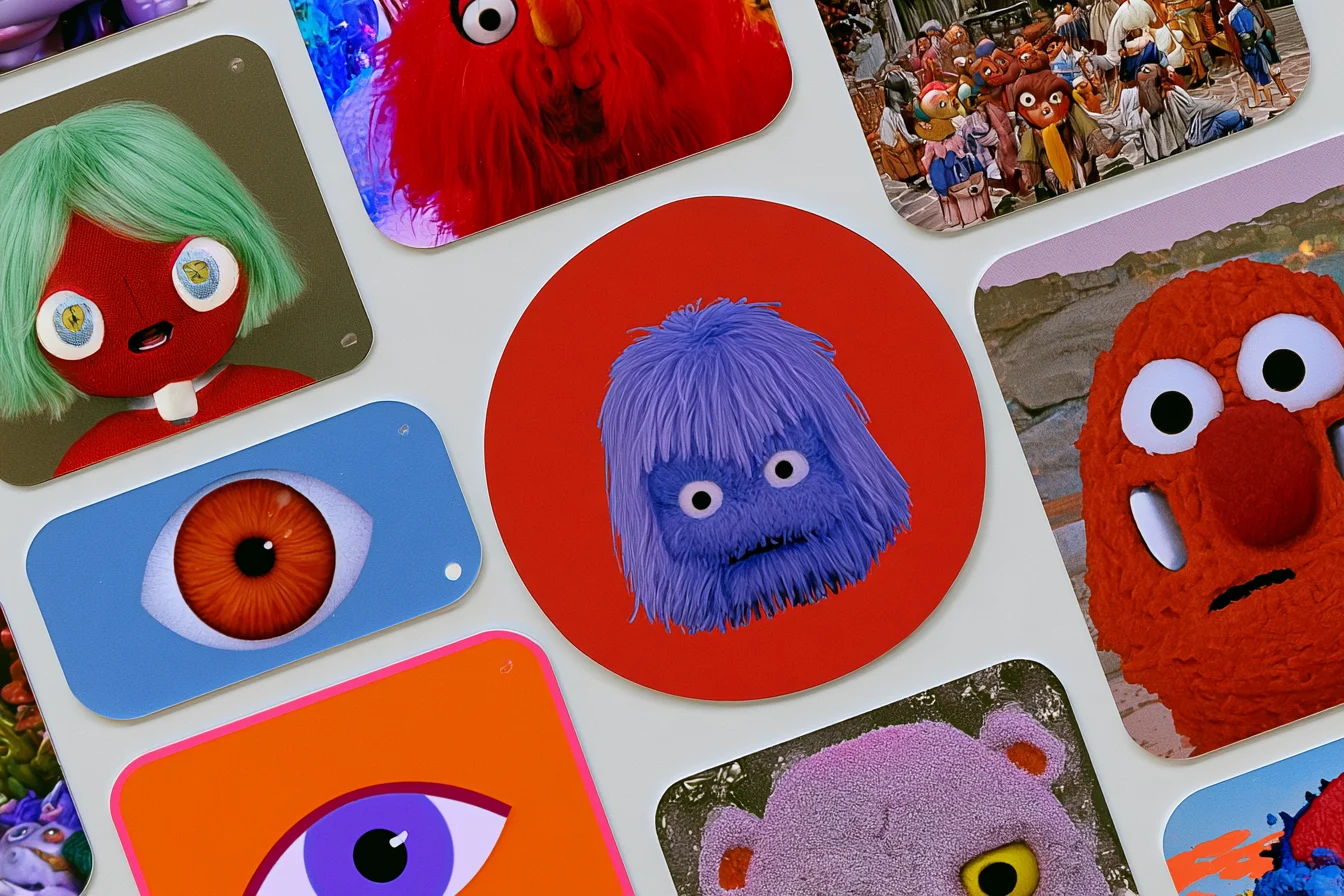
Version 2.5 introduces higher detail density across lighting, textures, and specular reflections. Depending on the visual goal, this can either elevate an asset or make it appear overly stylized.
Portraiture: More pronounced micro-textures
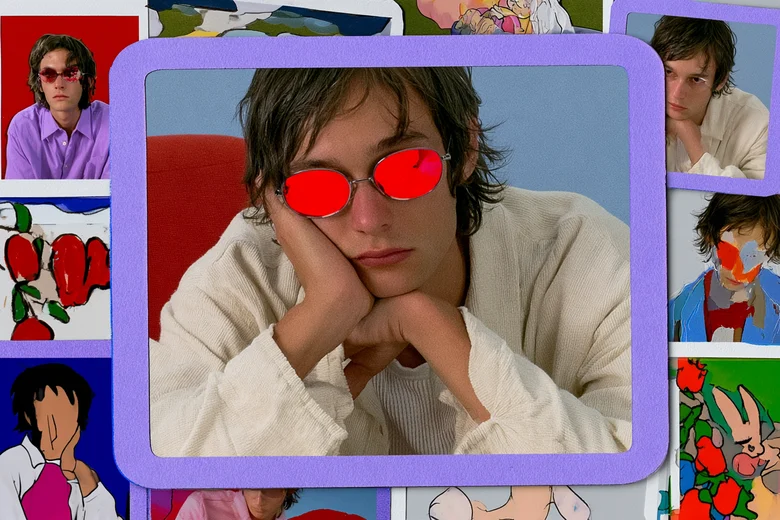
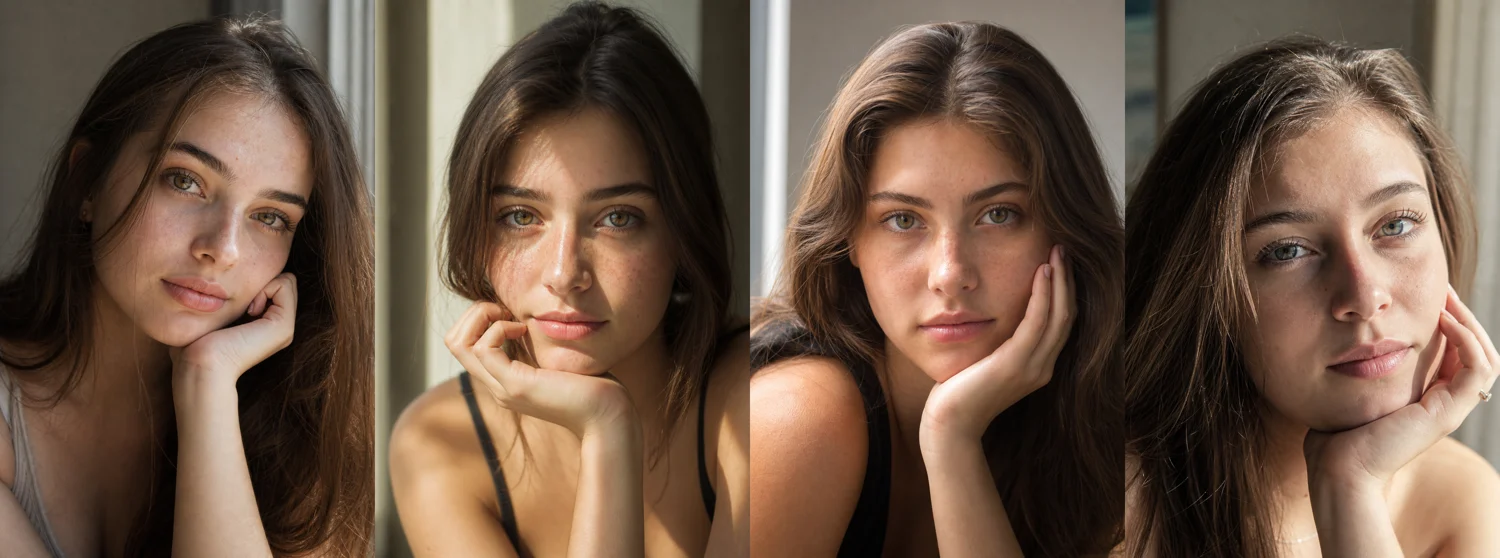
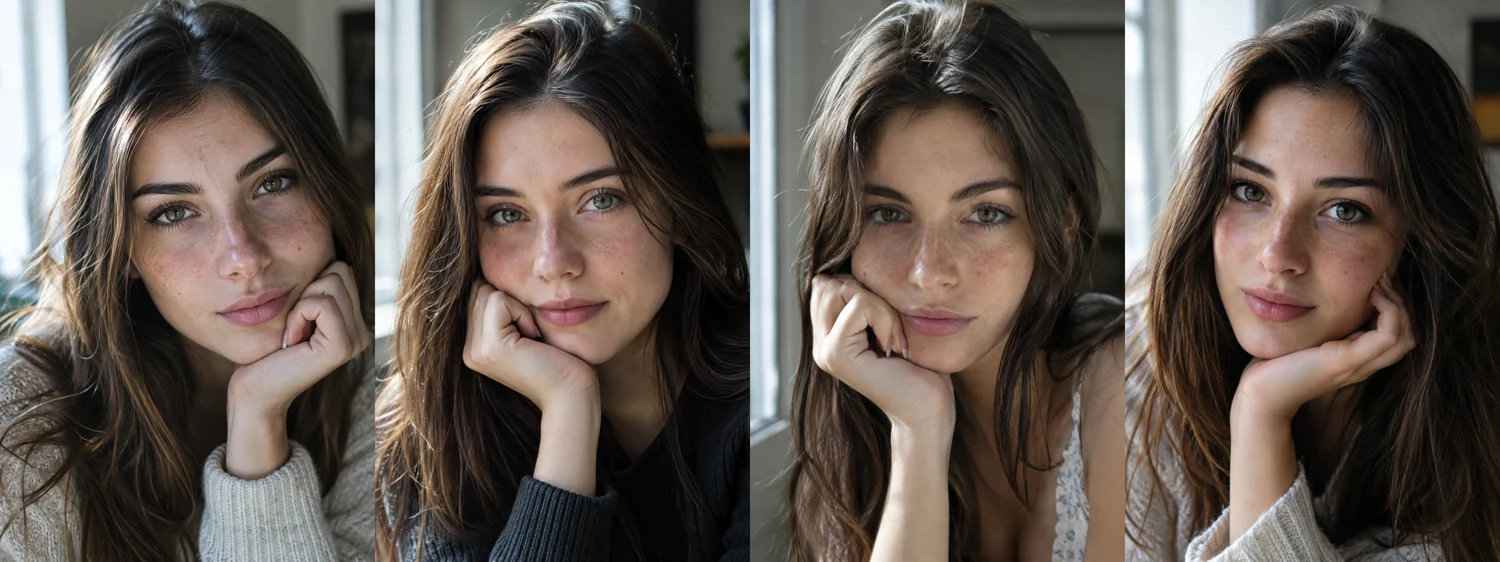
In a portrait test featuring a subject in natural sunlight, version 2.5 sharpened facial textures significantly. Skin pores, fine freckles, individual hair strands, and fingernail contours are defined with greater precision than in 2.0. While this eliminates artificial skin smoothing, the micro-textures can occasionally look emphasized if lighting is not carefully controlled.


Product visualization: High-contrast drama versus understated realism
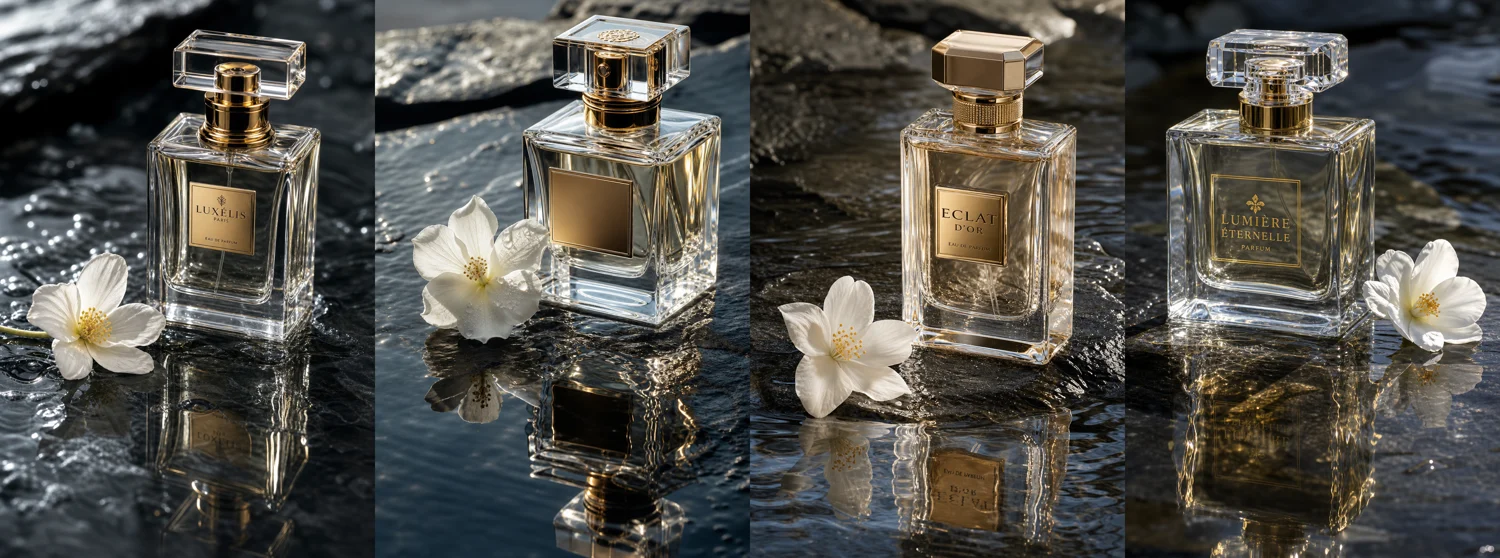
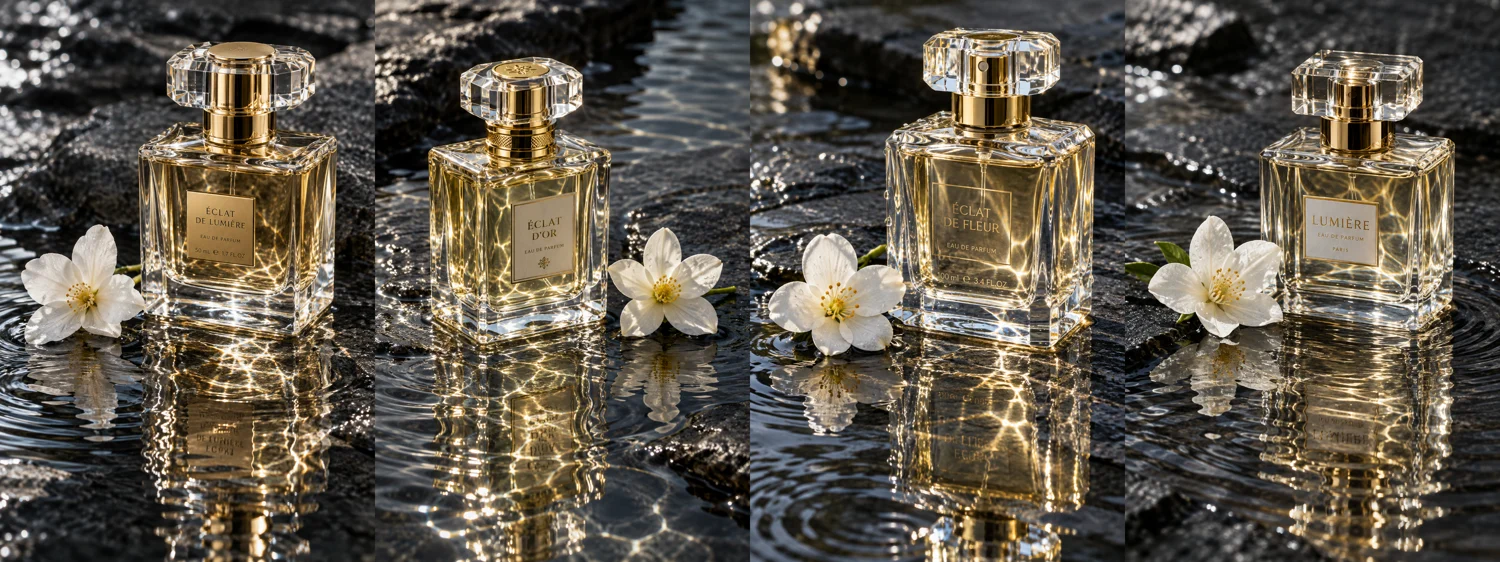
The trade-off becomes clearer in commercial packshots. Testing a luxury glass perfume bottle on wet dark slate showed that version 2.5 pushed specular highlights, complex glass caustics, and vivid water reflections to their maximum.
While the 2.5 output delivers a polished commercial campaign look, version 2.0 felt more grounded. The softer illumination in 2.0 gave the glass a quiet, editorial weight that designers may prefer over the high-contrast brilliance of 2.5.


Reduced background artifacts on flat surfaces
A persistent issue in version 2.0 was subtle pixel grain and patchy noise across solid backdrops and smooth planes.
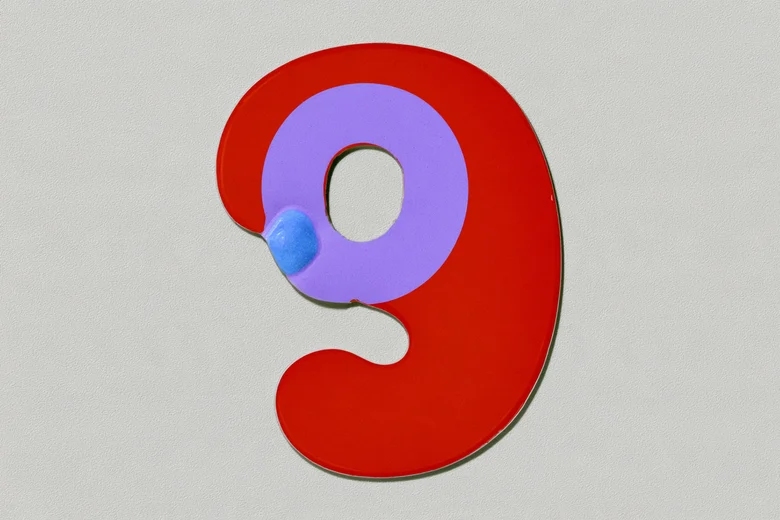
Version 2.5 resolves much of this surface noise. Seamless studio backdrops, concrete planes, and solid matte packaging materials render with cleaner, more uniform gradients. This makes it easier to cut out subjects or place generated assets directly into graphic layouts without extensive post-processing cleanup.
Practical takeaways for creative workflows
ChatGPT Images 2.5 represents a functional, production-focused iteration on the previous architecture:
Core improvements: Faster generation times, consistent framing across duplicate runs, and cleaner solid surfaces with less digital noise.
Prompting adjustments: Because the base engine naturally renders higher visual contrast and denser textures, prompts aimed at minimal, quiet, or documentary aesthetics should avoid redundant descriptive superlatives. Explicitly specifying soft, flat, or diffused lighting prevents the model from over-embellishing subtle scenes.