5 visual reference platforms every designer should explore in 2026
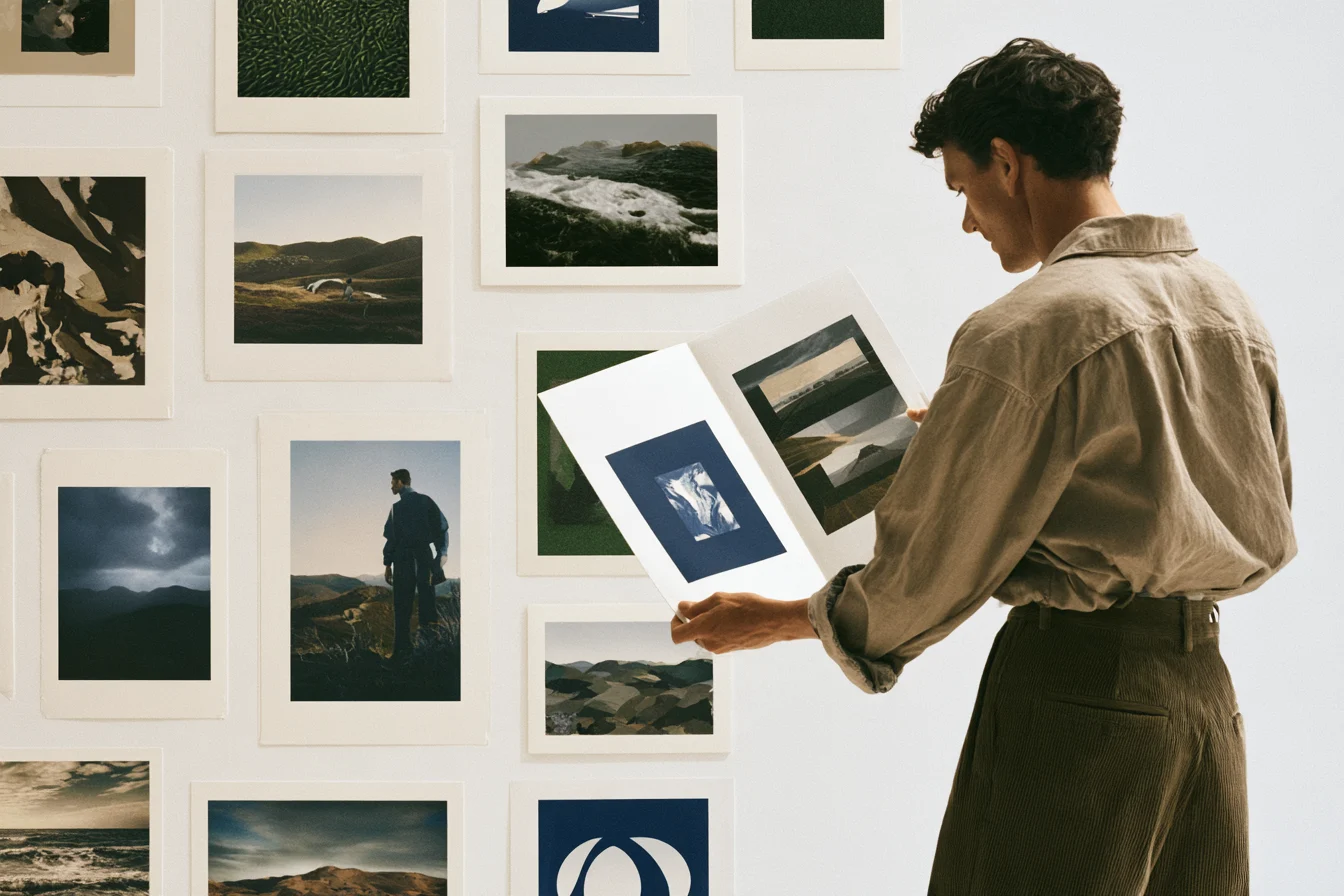
These 5 visual reference platforms are worth exploring in 2026, and each one covers a different kind of looking: broad moodboards, quiet curation, connected research, current digital design, and AI images you can rebuild from their prompts.
No single site covers all of these well, since each one is shaped by who curates it and how. For each platform, we note what it is best for and the one limit worth knowing.
Pinterest: The universal archive for broad visual culture
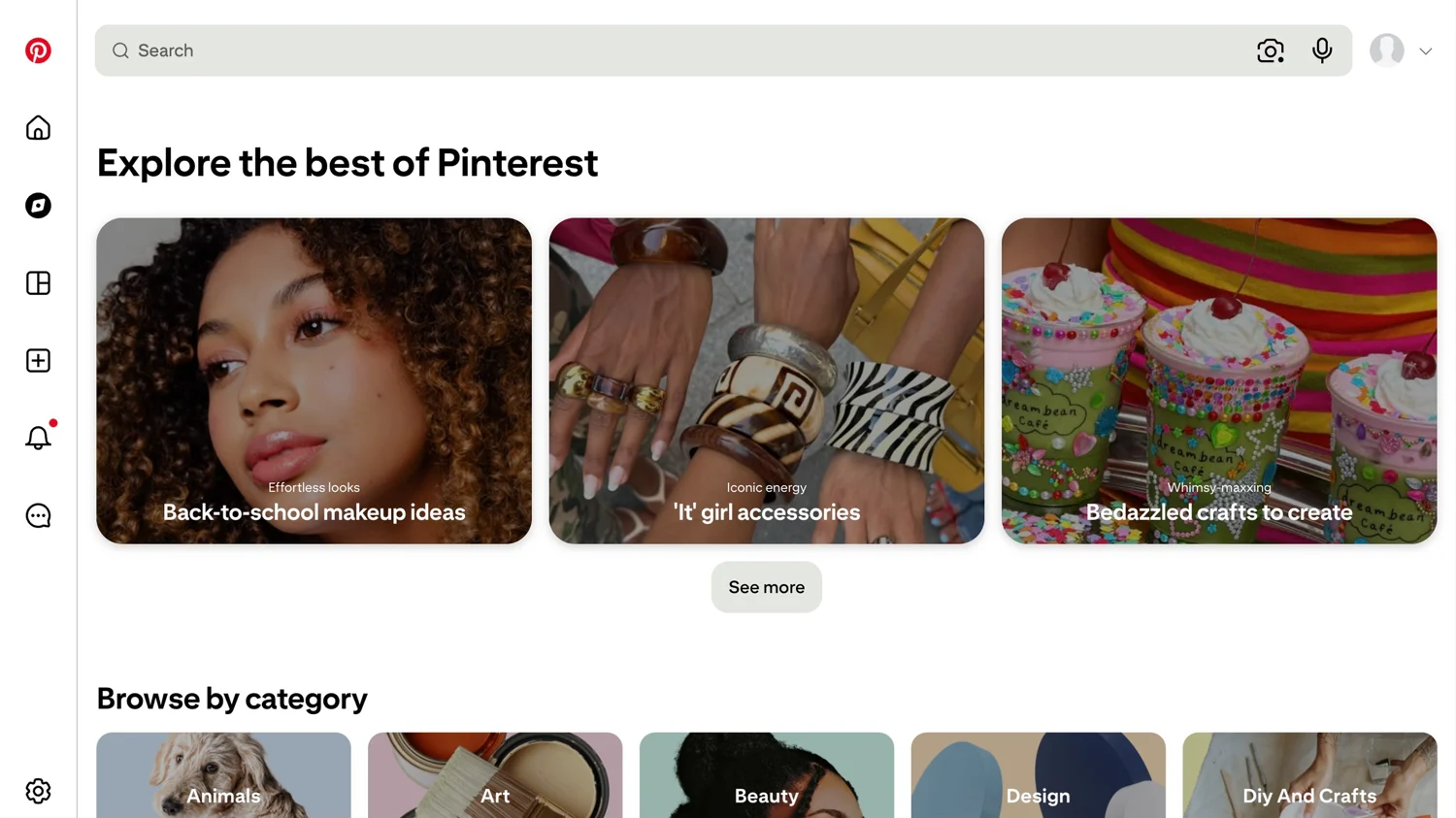
Pinterest remains one of the largest visual databases available. Its archive covers almost every discipline, from packaging and brand identity to interiors and lifestyle photography, which makes it a good place to start early concept work.
Visual search and recommendations are its strength. Start from one image and you can find dozens of related styles and material treatments, which helps when you are aligning with a client on broad direction.
The limit: feeds mix in ads and a growing number of AI-generated images, usually without the prompt or original source.
Cosmos: Distraction-free curation for contemporary tastemakers
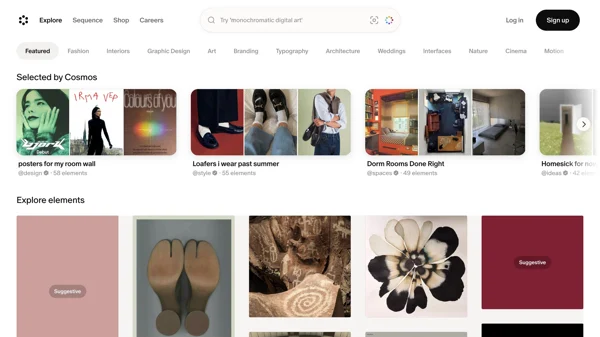
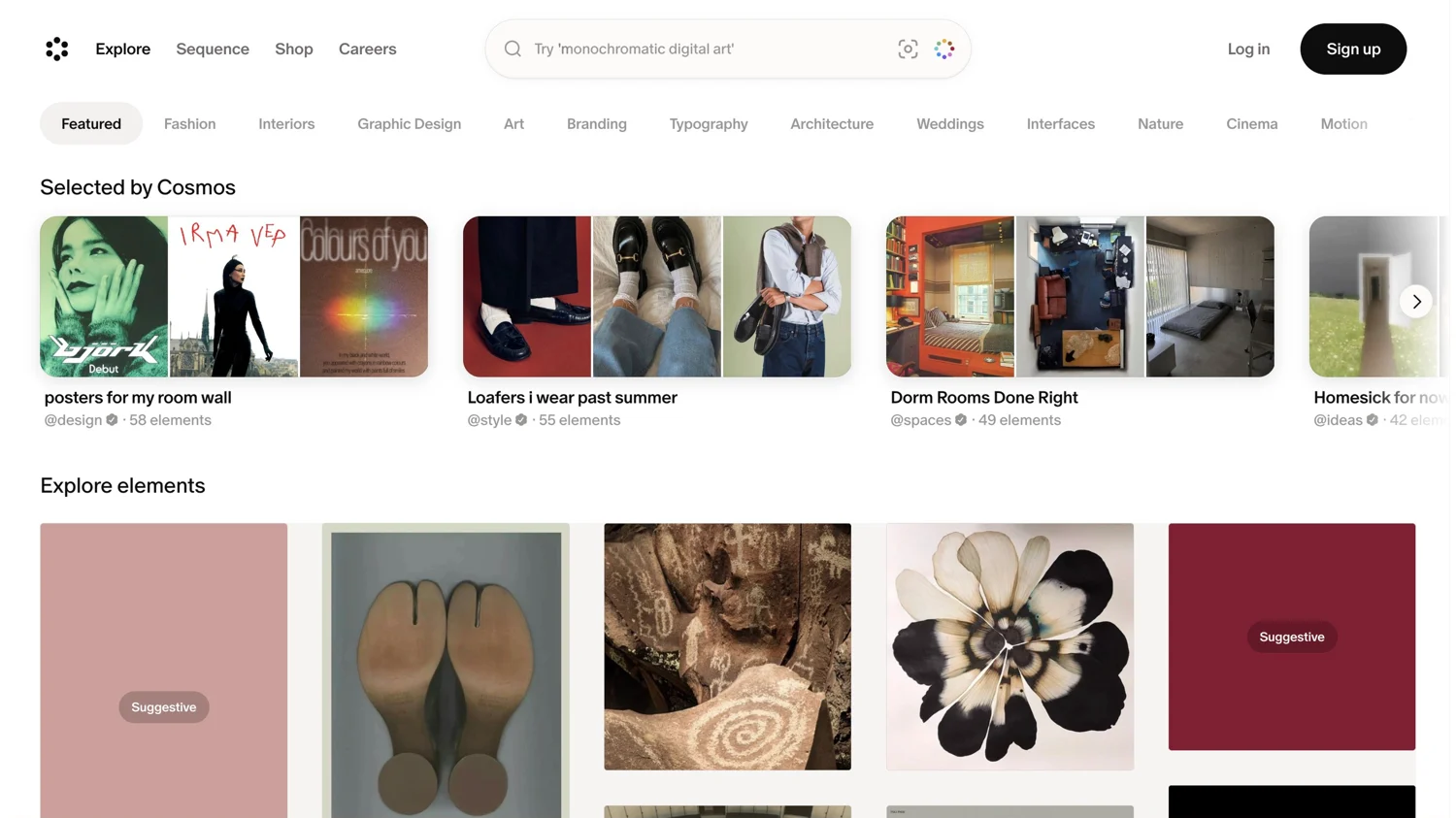
Cosmos is a calm, grid-based space for saving and browsing images, built without ads or an engagement-driven feed. Its collections are shaped by designers and visual artists.
It is especially good for contemporary graphic design, editorial photography, and fine art references that rarely surface on mainstream social feeds.
The limit: most images are saved from elsewhere, so trace the original source before using one beyond a moodboard.
Are.na: A networked canvas for contextual research and theory
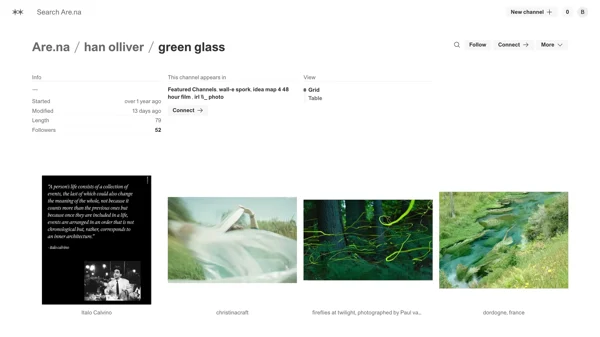
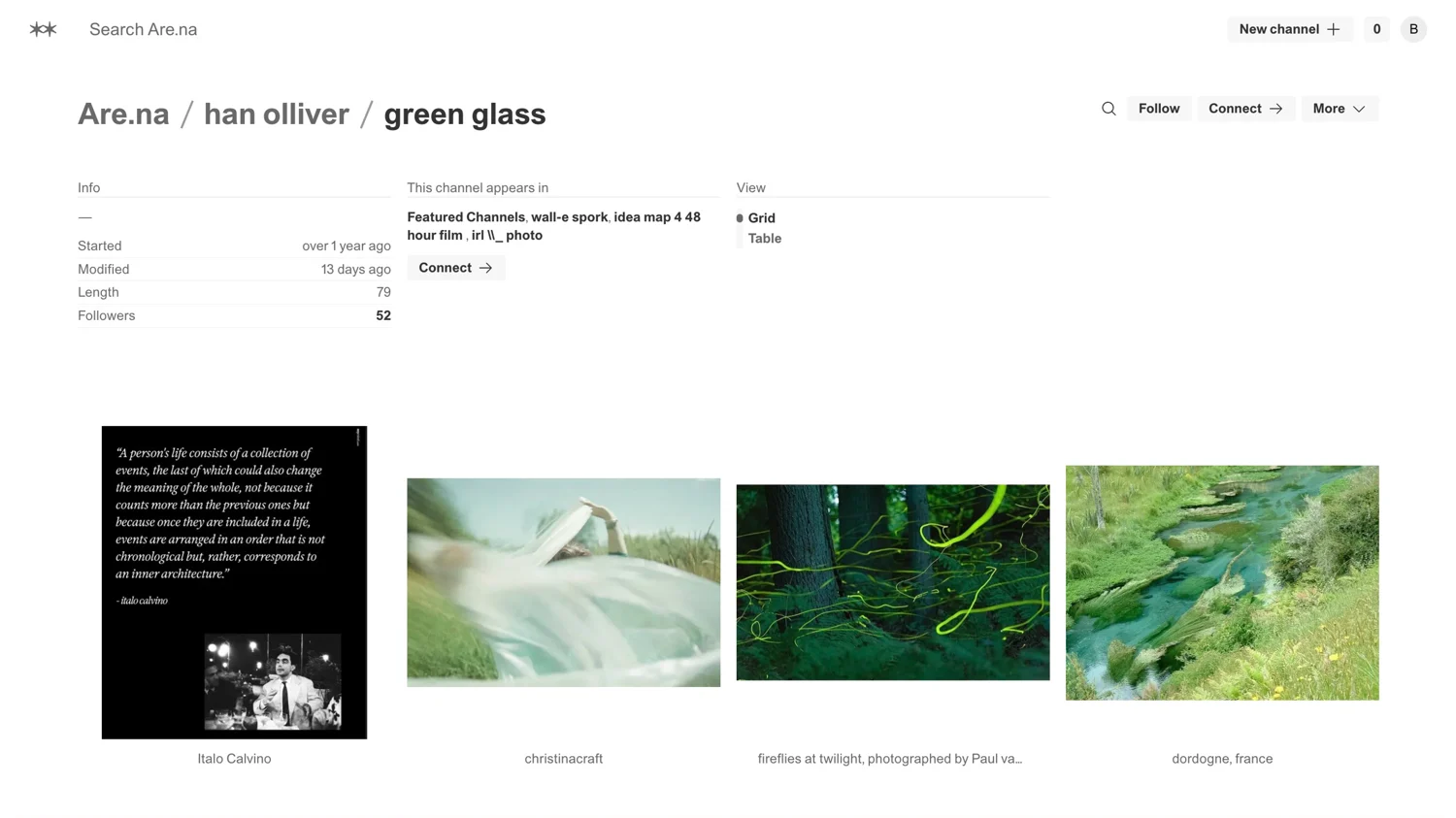
Are.na is a collaborative platform for structured research. Instead of saving images alone, you connect images, text, links, and PDFs through blocks and channels.
There are no algorithms or like counts, so you can follow a thread through design history, architecture, or visual theory at your own pace. It is most useful when a project needs context as well as images.
The limit: it rewards reading more than scanning, so it is slow when you just need a quick visual.
Recent: A curated feed of digital design
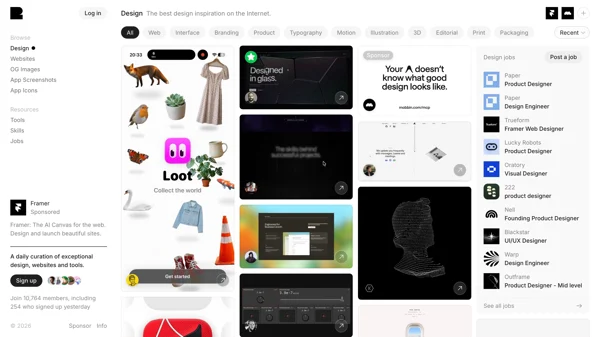
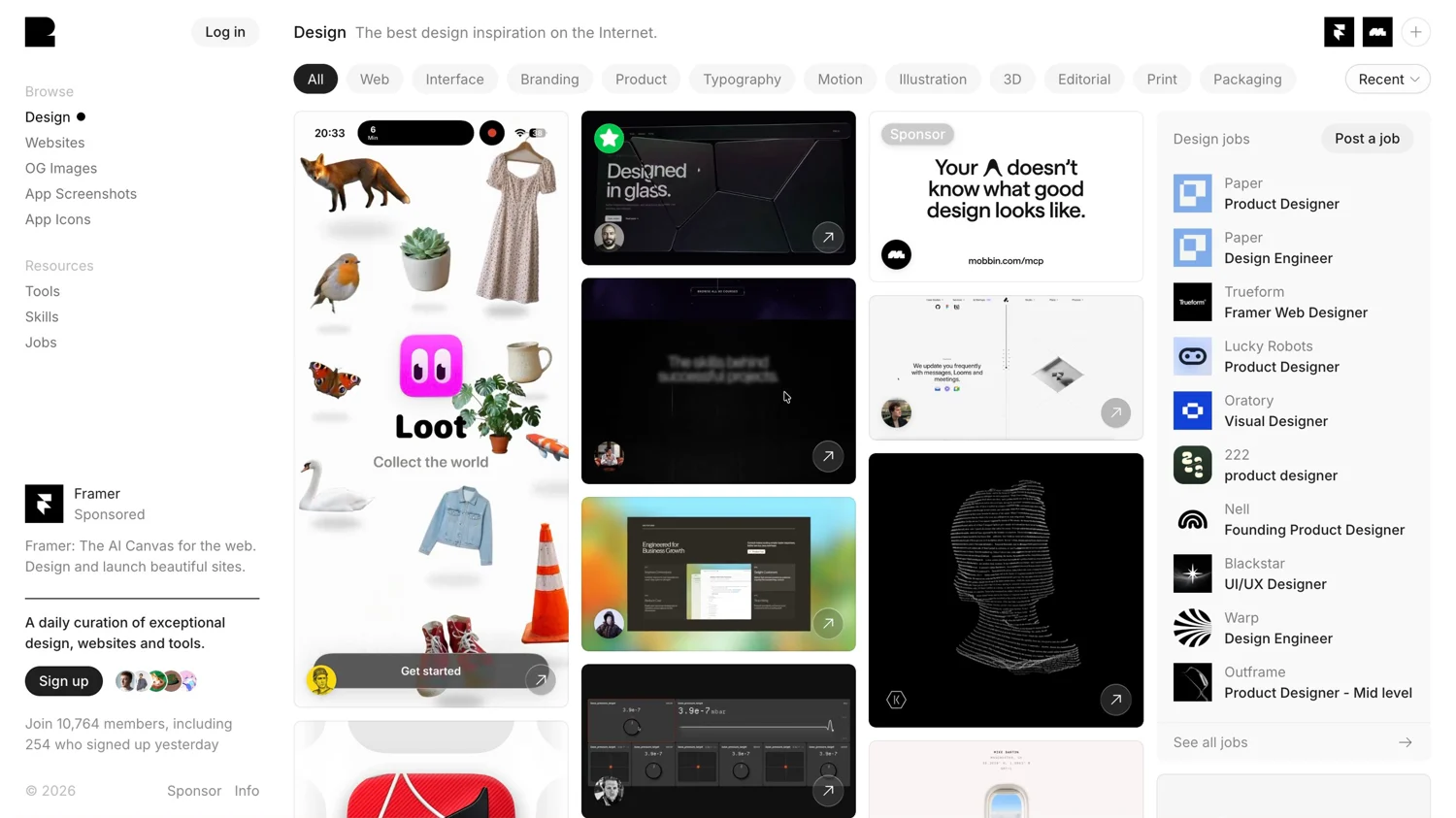
Recent is a curated feed of digital design work, from websites and motion studies to microinteractions, posters, and app icons, collected from X, Instagram, and the web.
It has also taken over from Godly, the website inspiration gallery, which makes it a good place to see what product and web designers are shipping right now.
The limit: it leans toward digital work, so look elsewhere for print, packaging, or interior references.
ctrlc.ai: AI visual reference and prompt discovery platform
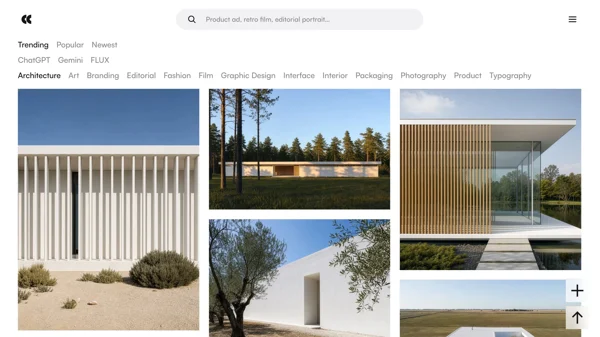
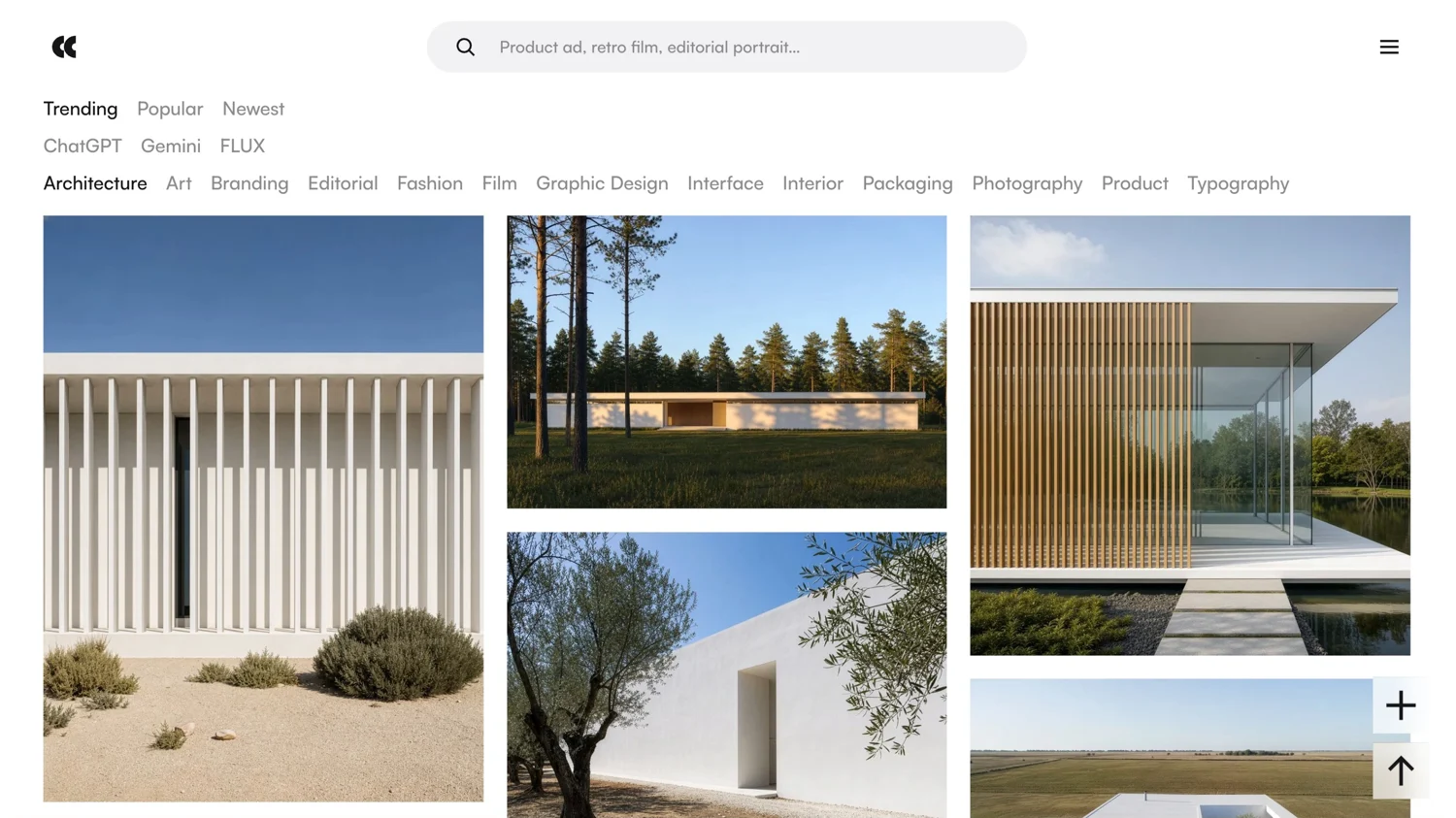
Every image on ctrlc.ai is AI-generated and published with the exact prompt that made it.
Instead of guessing how a lighting setup or material texture was produced, you can read the prompt, copy it in one click, and save the image to a collection for later.
The limit: the library is smaller than the platforms above, and every image is AI-generated.
Using these visual reference platforms together
Each platform fits a different stage of a project:
Pinterest: Use for broad consumer trends, lifestyle atmospheres, and early client moodboarding.
Cosmos: Browse for refined contemporary photography, modern art directions, and editorial taste.
Are.na: Explore for deep contextual grounding, architectural history, and interdisciplinary research.
Recent: Visit to see current website, motion, and interface work.
ctrlc.ai: Use when you want an AI image you can rebuild from its prompt.
If you are looking for prompts rather than images, see 5 AI prompt platforms for practical design workflows.